Textile and Product Identification Labels
Woven and ribbon labels, fabric labels, washing durability, care and composition information, size and identity labels, sewing placement and traceability.
Read the articleIn the textile sector, labels carry product identity, size and process information. This page covers self-adhesive label solutions; sew-in and woven labels are outside this scope.
Highlights in This Category
The need for labels in textile products arises from two different purposes: identifying the product and the piece within the production process itself, and informing the user about the product ready for sale. These two needs require different solutions.
This page covers self-adhesive label solutions. These labels are used for piece tracking in cutting workshops, for product identification in warehouse and packing processes, and for carrying product and size information at the point of display and sale. Woven labels sewn into the fabric and permanent care labels belong to a different production method and are therefore not within this scope.
Fabric and leather surfaces are porous and flexible; the adhesive choice is therefore more critical than on smooth plastic surfaces. To increase adhesion, the surface must be clean, dry and, where possible, taut. The adhesive preference also differs between labels used for a short time and labels that will remain for a long time.
For the information that remains on the product (size, product code, care note), legibility and the permanence of the printing come to the fore. On labels used only for process tracking, easy removability can be an advantage.
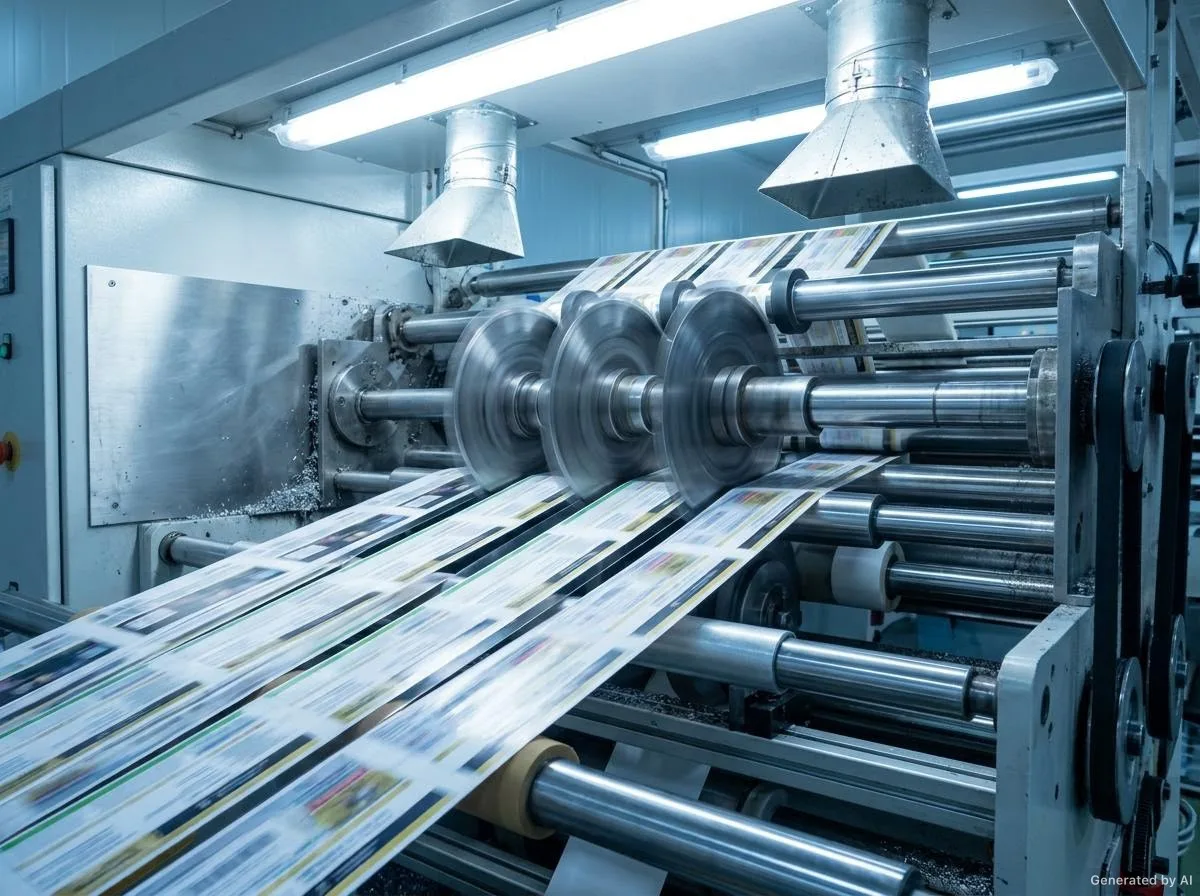
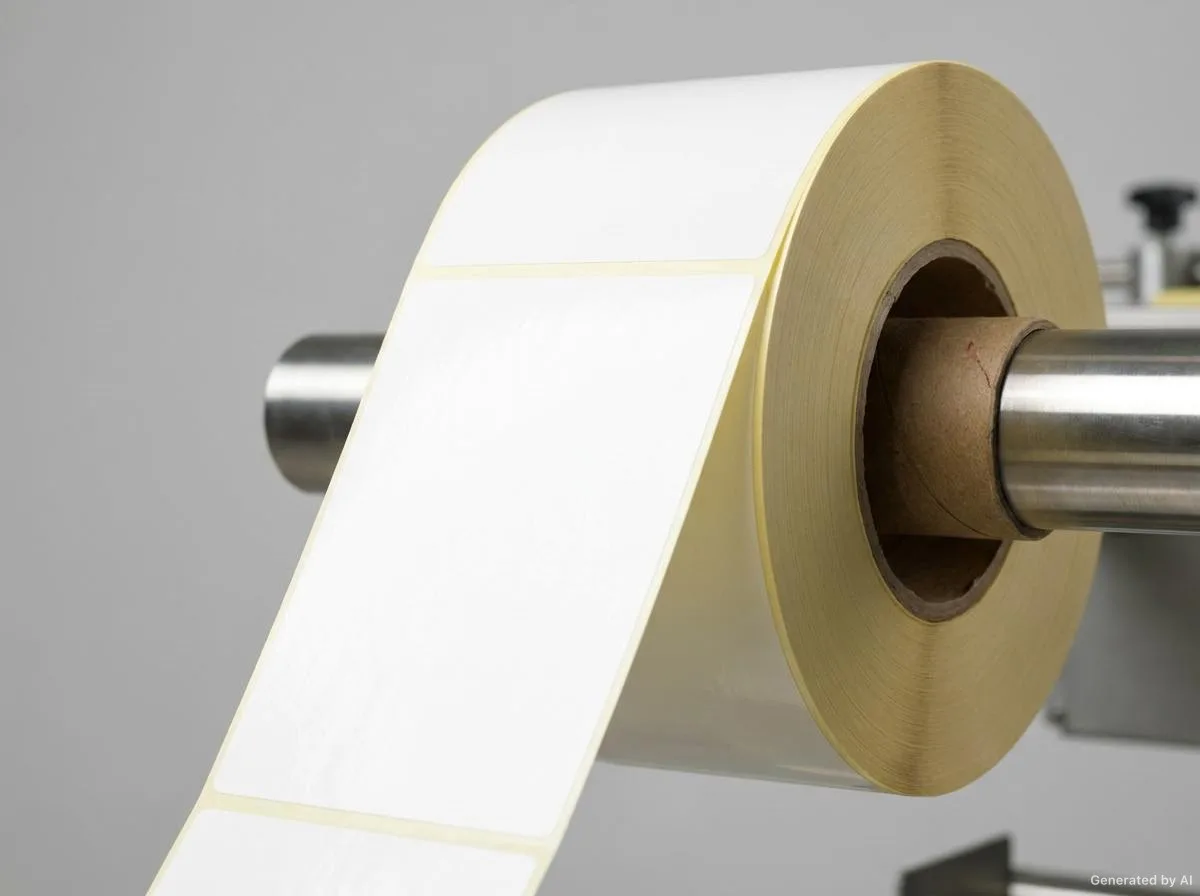
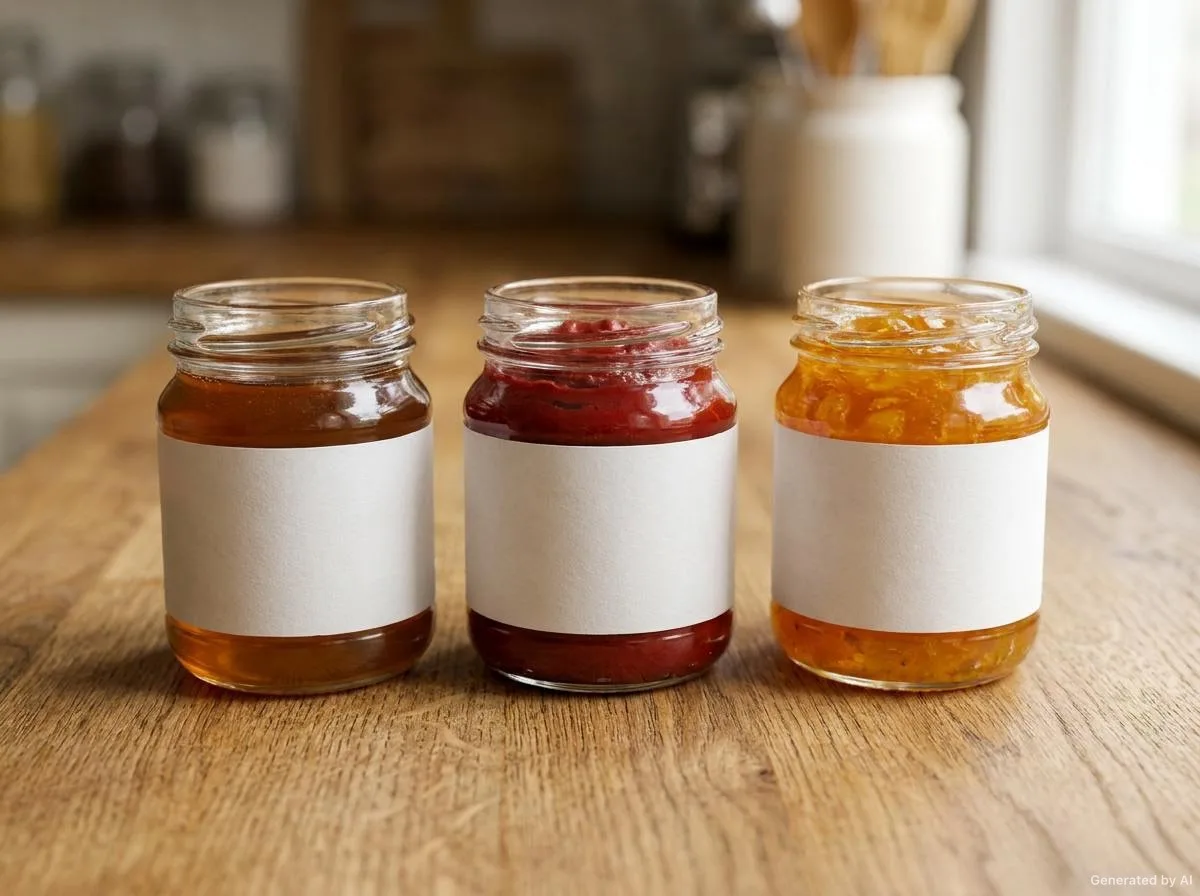
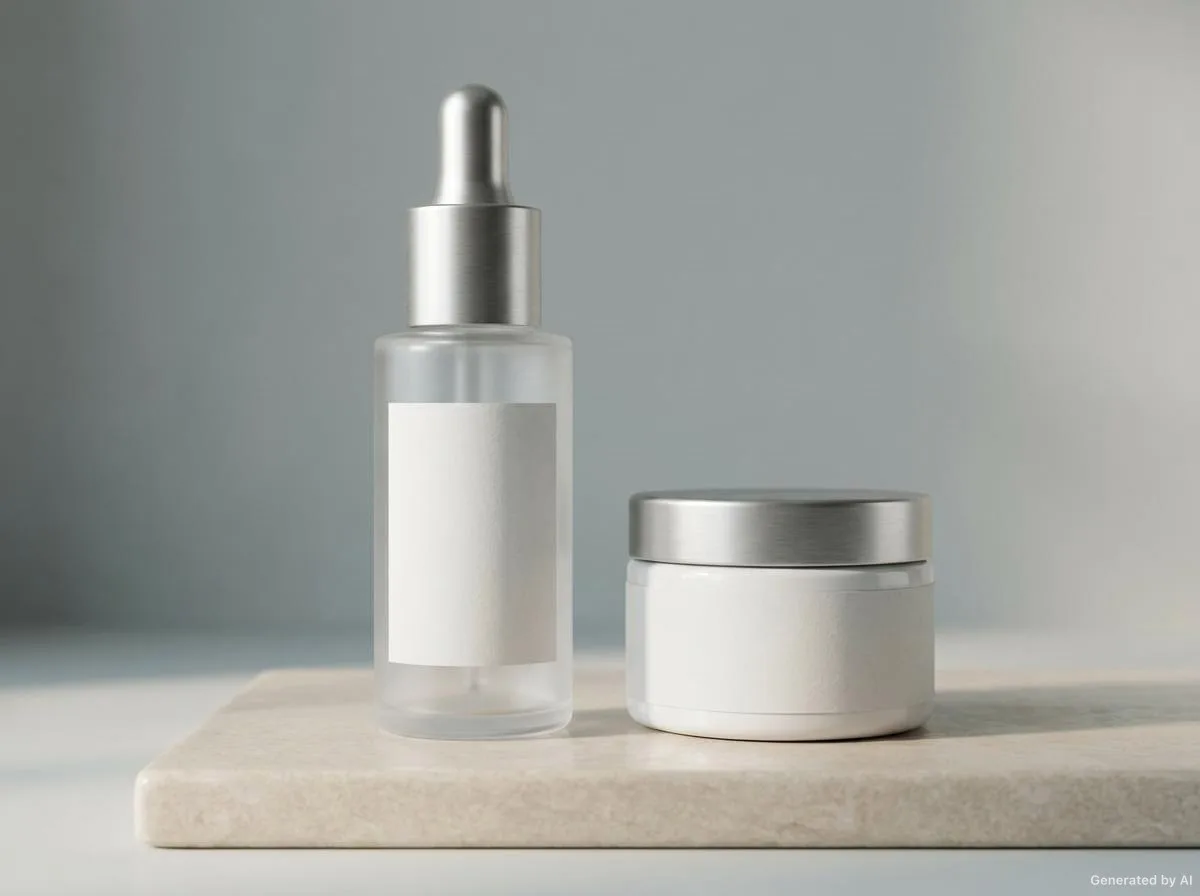
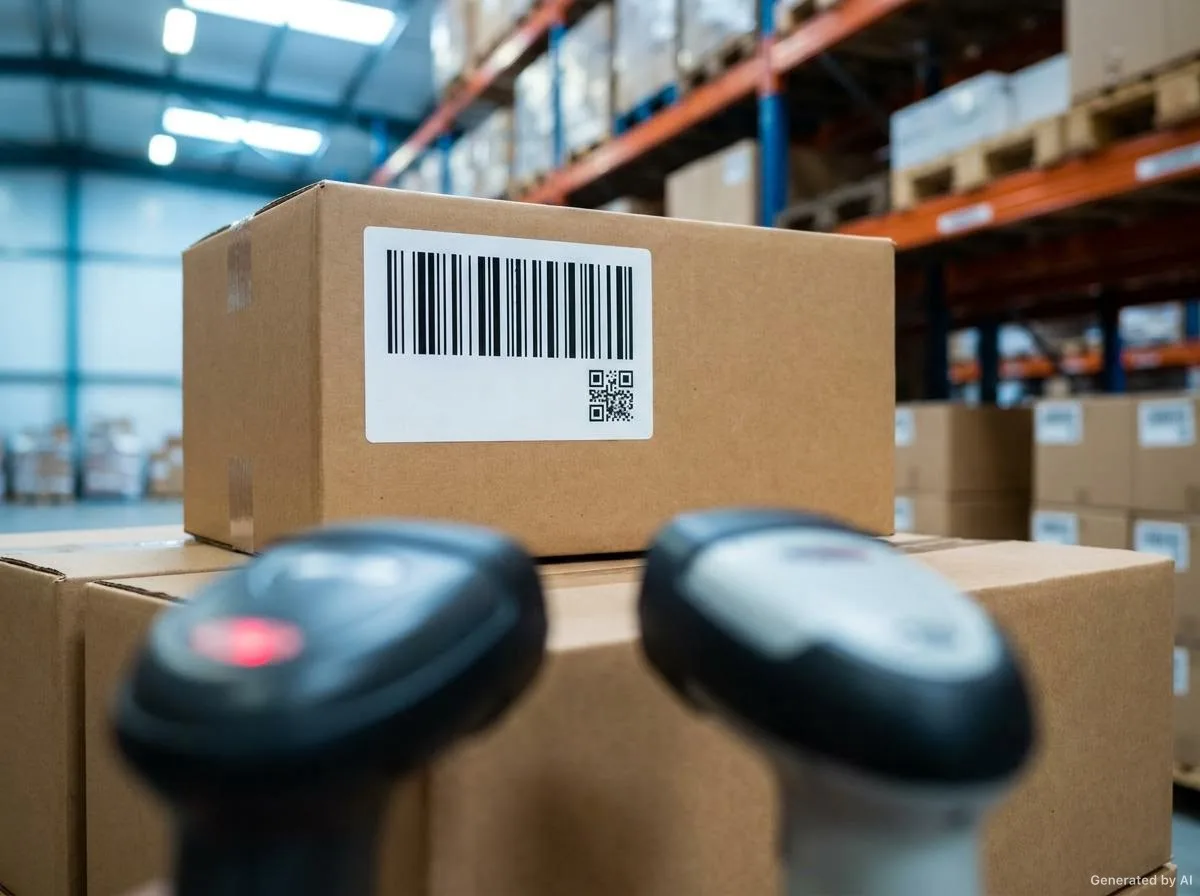
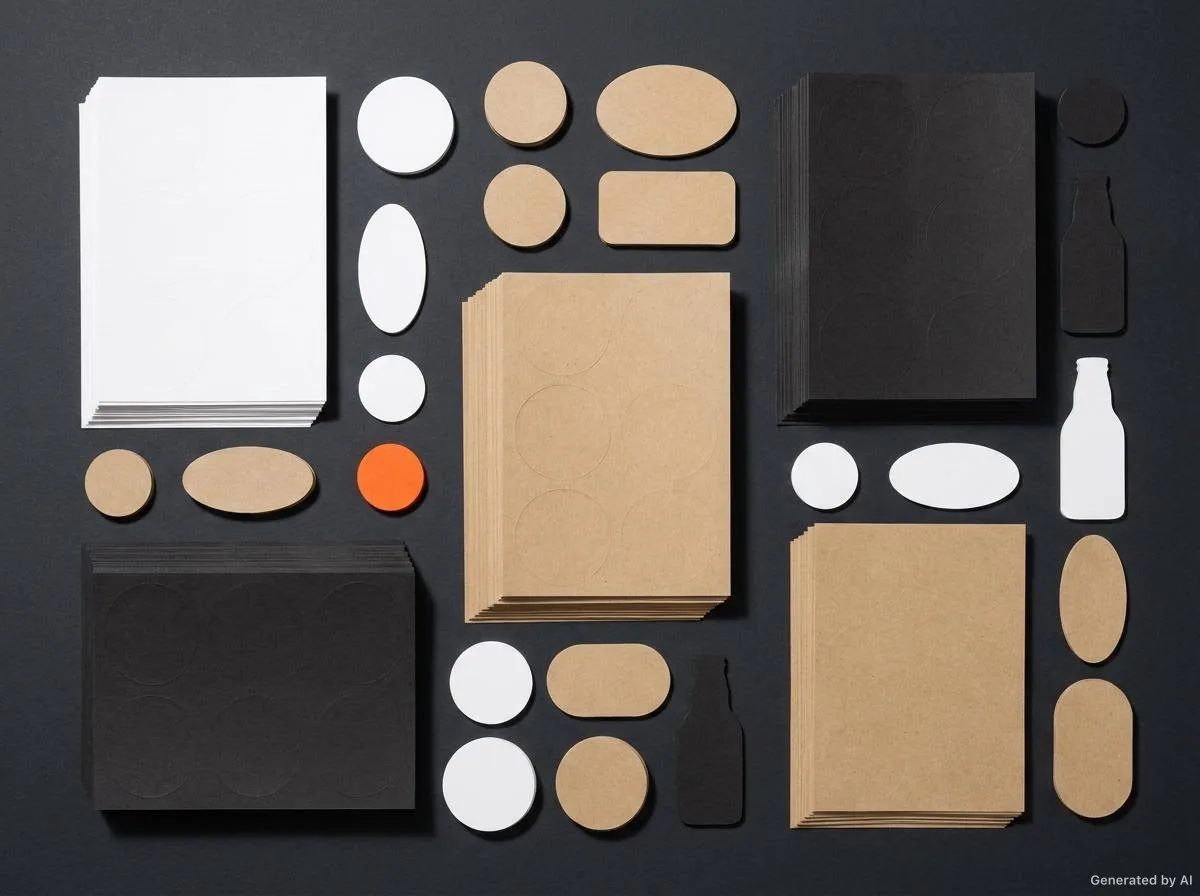
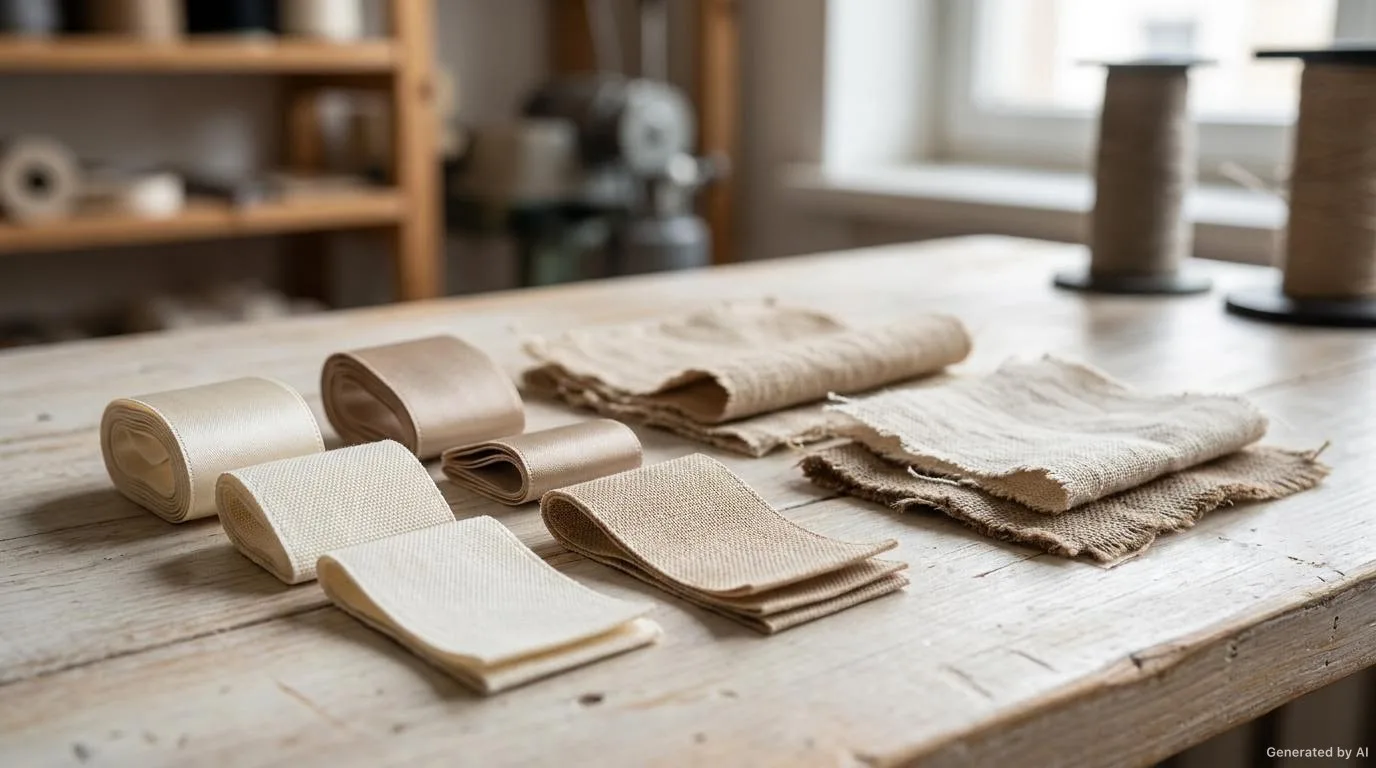
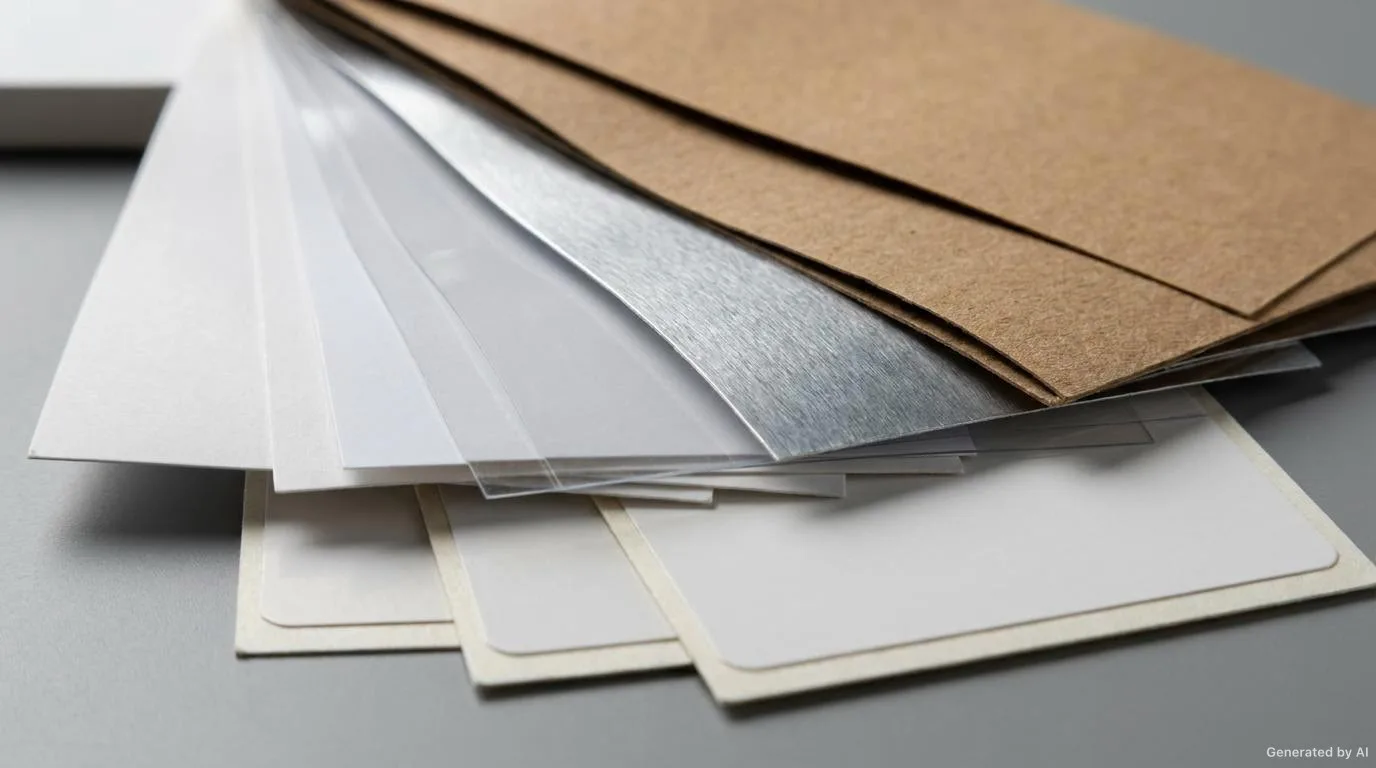
The images on this page are representative; they do not show a specific customer product or order.

Textile labels are used at different stages, from production tracking to the point of sale.
The topics below form the basis for determining the right combination in this category. The final choice is clarified together, based on your product surface and usage conditions.
On porous and flexible surfaces, the consistency of adhesion is directly related to the cleanliness and tautness of the surface.
Self-adhesive labels do not replace sew-in or woven labels. If a permanent care label is required, a different production route is needed.
Different adhesive properties are evaluated for short-term process labels and for labels that will remain on the product.
On fabrics that shed fibres or are hairy, the adhesion area is reduced; an adhesive suited to this must be chosen.
If there is friction and moisture, the durability of the print must be evaluated separately.
Printing and application decisions take shape according to how the label will be used on the product.
Fields such as size information and product code must be placed so they can be read quickly.
The label size is planned according to the smallest part of the product and its packaging.
The printing method is determined in advance for variable fields such as size distribution and product code.
A protective surface can be evaluated for labels exposed to friction.
The roll or sheet format is chosen according to manual or machine application.
Sharing this information speeds up the quotation and technical evaluation process and reduces the need for changes during production.
It is fine if you do not have complete information; we can start with what you have and complete the rest together.
Request a Quote on WhatsAppTextile Labels
This page covers self-adhesive label solutions. Sew-in and woven labels belong to a different production method and are therefore outside this scope. If you need a woven or sew-in label, you must indicate this separately in the quote form.
If the surface is porous and the product is constantly moving, adhesion can weaken. A clean and taut surface together with the right adhesive choice markedly increases adhesion.
Self-adhesive labels do not replace a permanent care label. Washing, friction and chemical contact affect the label in a short time; if permanent information is required, a different solution is needed.
It depends on the adhesive type and the surface. Options that do not leave residue are preferred for process tracking, while stronger adhesives are preferred for labels that will remain for a long time.
It is determined by taking into account the smallest part of the fabric and the way it is folded. Keeping the typography simple is recommended so the size can be read quickly.
Roll Labels
Die-cut roll labels on a carrier liner, applied quickly by machine.
Food Labels
Legible food labels suited to the packaging type and storage conditions.
Cosmetic Labels
Labels suited to bottle and jar surfaces that strengthen brand perception.
Industrial Labels
Labels resistant to temperature, moisture, abrasion and chemical contact.
Barcode Labels
Barcode and variable-data labels planned for readability.
Custom-Production Labels
Labels requiring non-standard size, shape and design.
Woven and ribbon labels, fabric labels, washing durability, care and composition information, size and identity labels, sewing placement and traceability.
Read the article
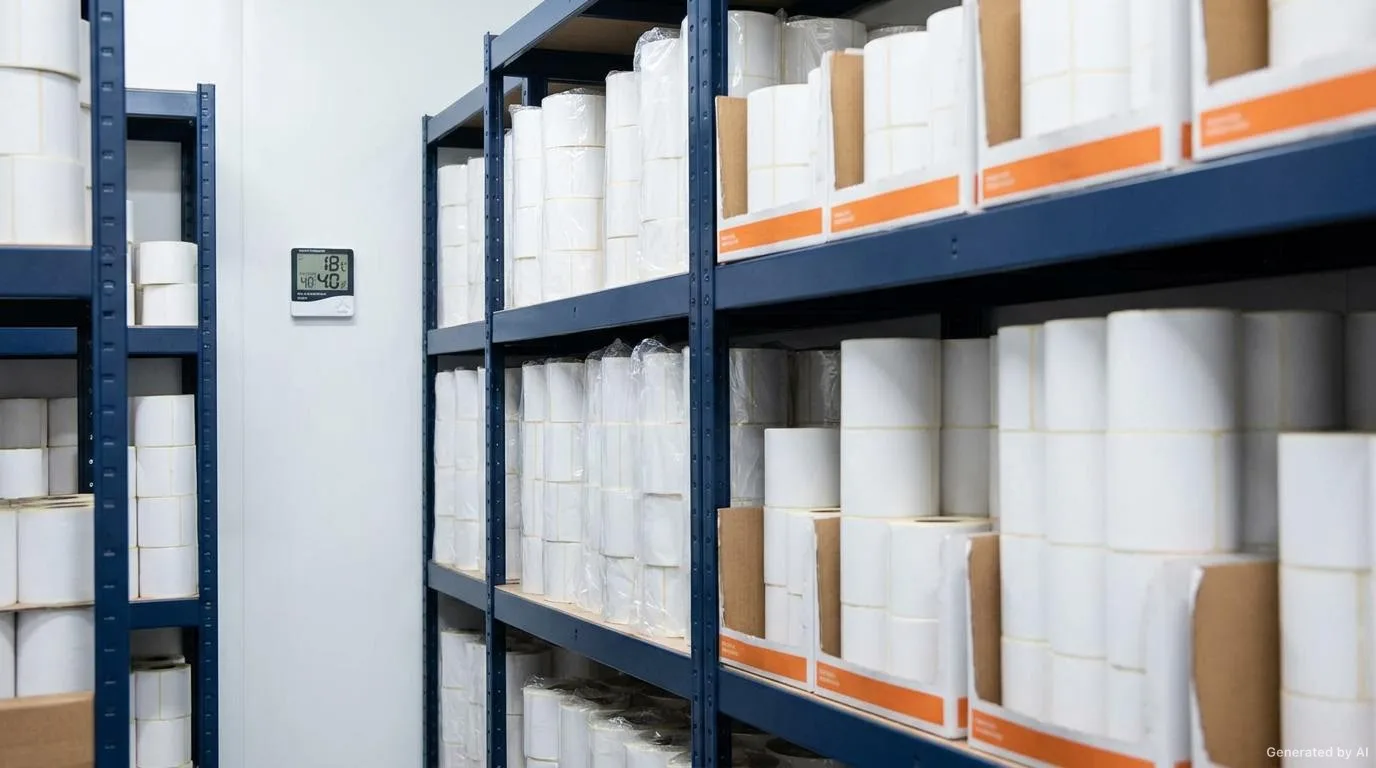
We cover the shelf life and storage of labels: how the adhesive behaves over time, temperature and humidity, UV protection, ideal storage conditions, stacking, acclimatisation and the signs of ageing.
Read the article
The technical questions to ask when choosing label material, covering surface energy, application temperature, chemical contact, service life and sample testing.
Read the articleShare the size, quantity, surface and usage conditions; we will carry out the technical evaluation and get back to you.
The images on this page are representative; they do not show a specific customer product or order.