Design and Application Guide for Custom-Size Labels
A practical guide to correct dimensions, bleed, safe area, wrap direction, curved surfaces and the sampling process in custom-size label projects.
Read the articleFor products that do not fit standard sizes, label solutions requiring a custom size, shape and design are evaluated. Every request is handled individually on the basis of its material and application needs.
Highlights in This Category
Some products do not fit standard label sizes. Curved surfaces, narrow areas, unusual packaging forms or a specific shape required by the design call for the size to be planned from scratch. The custom-production approach is developed precisely for this need.
For a custom size and shape request, the first step is to define the surface and the area to be applied to clearly. The width and height of the area where the label will go, the radius of curvature and the margins must be measured. Designs prepared without this information may require changes during production.
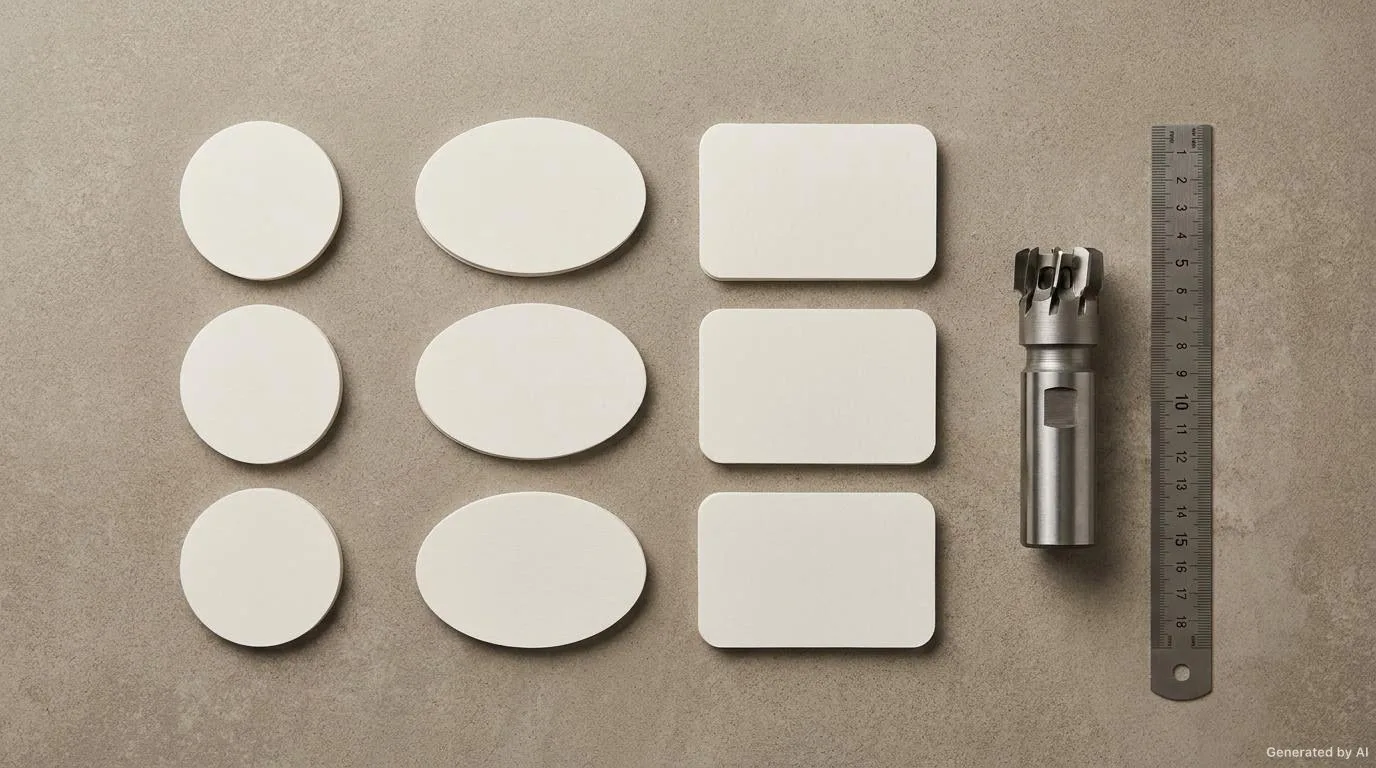
Freedom of shape brings with it the question of cutting tolerance. Cutting does not achieve every size with the same precision; very small sizes and very fine details can give unwanted results during cutting. For this reason, the manufacturability of the design is evaluated together before the order is taken.
The information on this page provides a general framework. The production scope and its limits are evaluated individually for each request; no unverified production capability is promised here. When you share your requirement, we communicate the appropriate solution and any limitations transparently.
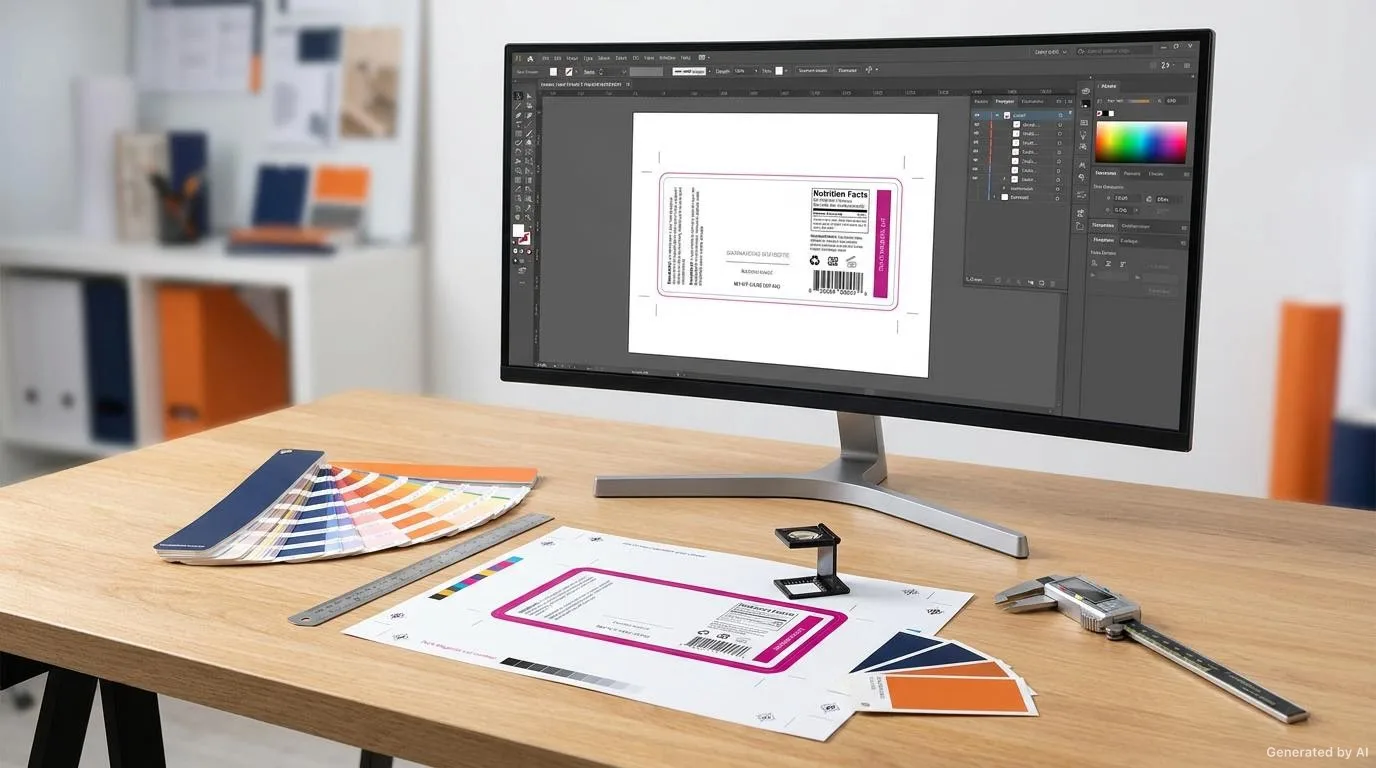
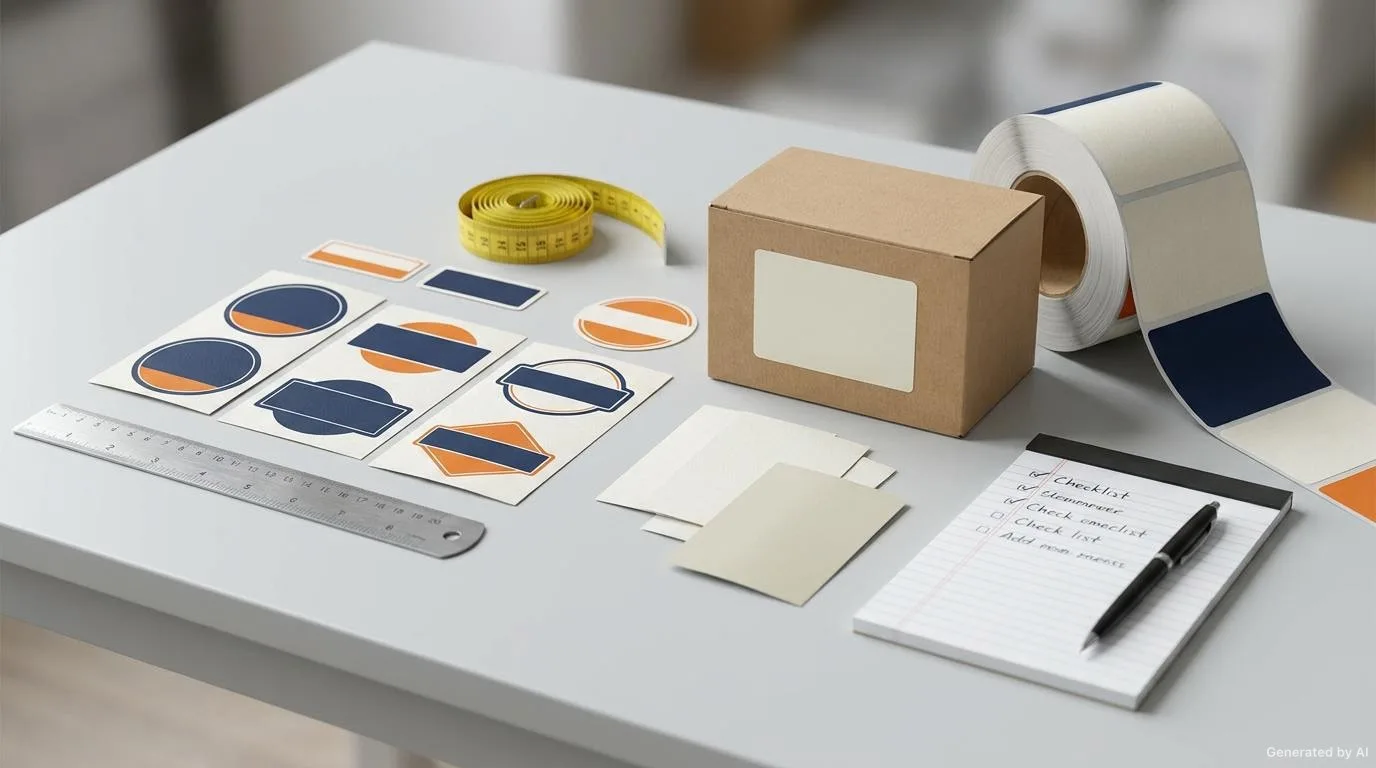
The images on this page are representative; they do not show a specific customer product or order.

Custom-production labels come into play where standard solutions fall short.
The topics below form the basis for determining the right combination in this category. The final choice is clarified together, based on your product surface and usage conditions.
The width, height and curvature values of the area where the label will go must be clarified.
Very fine details and very small sizes can be difficult to cut; the manufacturability of the design is evaluated together.
On curved surfaces, thin and flexible materials are easier to apply.
Even at a custom size, the criteria that determine the adhesive choice are the surface and the usage conditions.
Whether it will be applied by hand or by machine affects the format and the roll plan.
Printing and application decisions take shape according to how the label will be used on the product.
The feasibility of an original design in terms of cutting and printing is checked before ordering.
On small areas, the typography hierarchy must be rearranged.
Preparing a sample before approval makes it possible to see the size and cutting behaviour.
The number of colours and the background preference, together with the size, affect cost.
At custom sizes, the behaviour of the label can be more variable than at standard sizes; testing is recommended.
Sharing this information speeds up the quotation and technical evaluation process and reduces the need for changes during production.
It is fine if you do not have complete information; we can start with what you have and complete the rest together.
Request a Quote on WhatsAppCustom Production Labels
In general, custom sizes and shapes can be evaluated; however, very small sizes, very fine details and some cutting forms can pose constraints in terms of production. The definitive evaluation is made upon request.
Yes. A sample makes it possible to see the size and cutting behaviour before approval. Sharing the size, material and design information with your sample request speeds up the process.
It generally has an effect. Cutting preparation, run length and material preference are the factors that determine the cost. As the quantity increases, the unit cost generally decreases.
If you already have a design, it is examined for print suitability. The scope of design support is evaluated separately according to the nature of the request.
Sending a packaging or surface sample is the most reliable method for determining the size and adhesive compatibility correctly; especially on curved and unusual surfaces.
Roll Labels
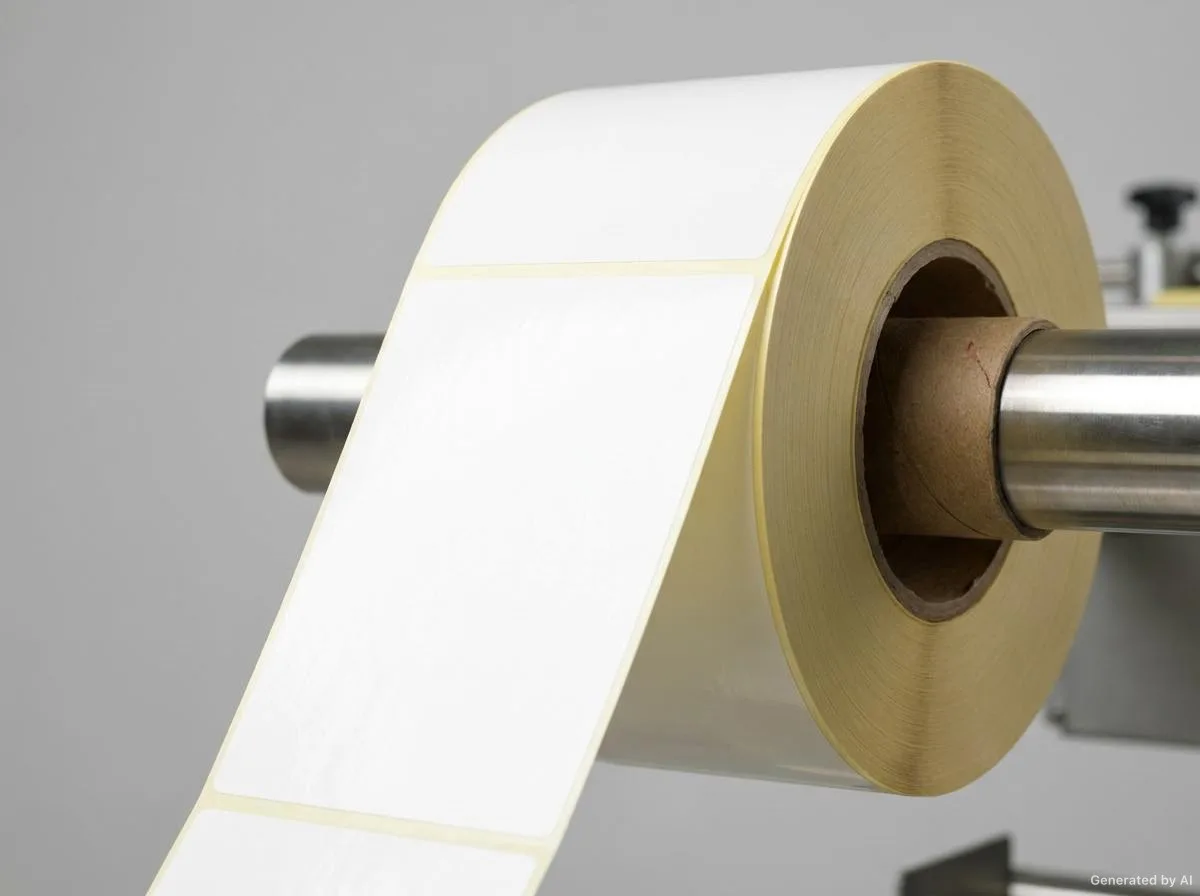
Die-cut roll labels on a carrier liner, applied quickly by machine.
Food Labels
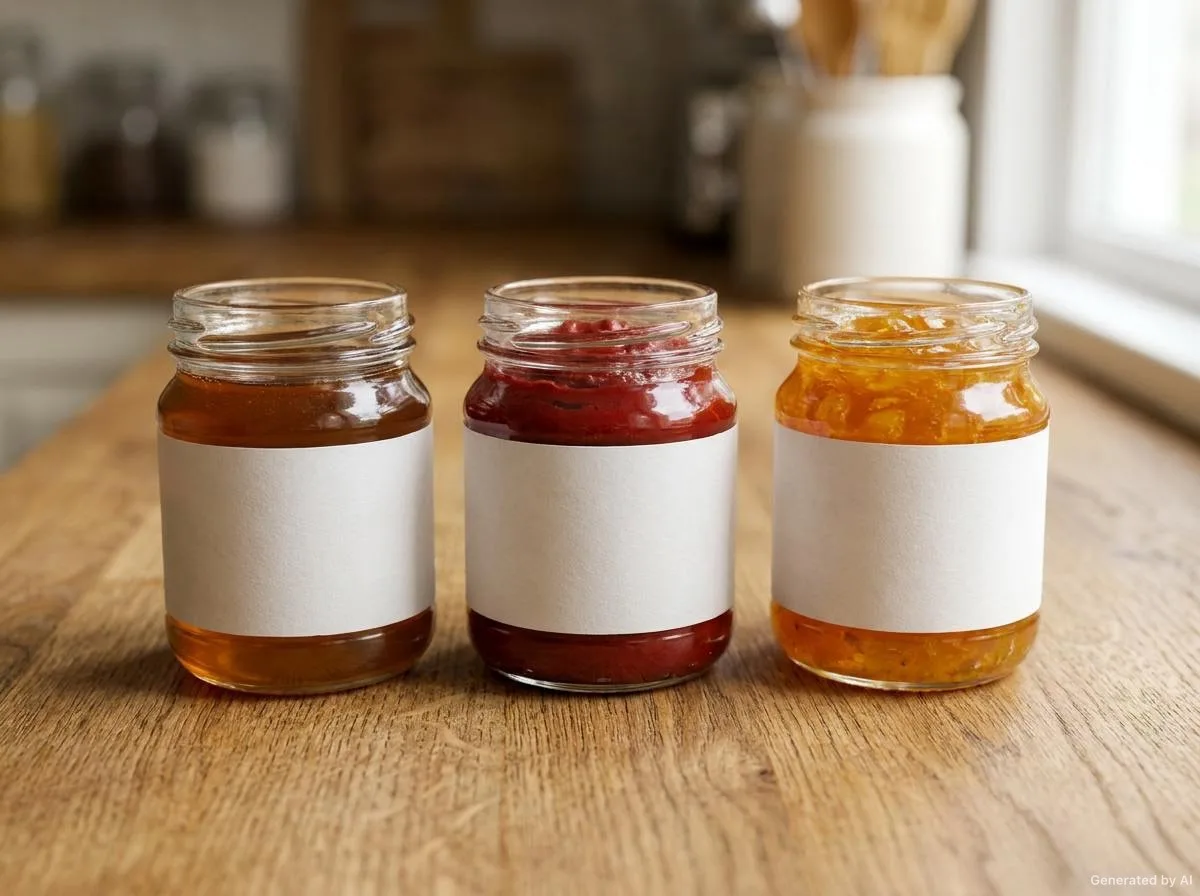
Legible food labels suited to the packaging type and storage conditions.
Cosmetic Labels
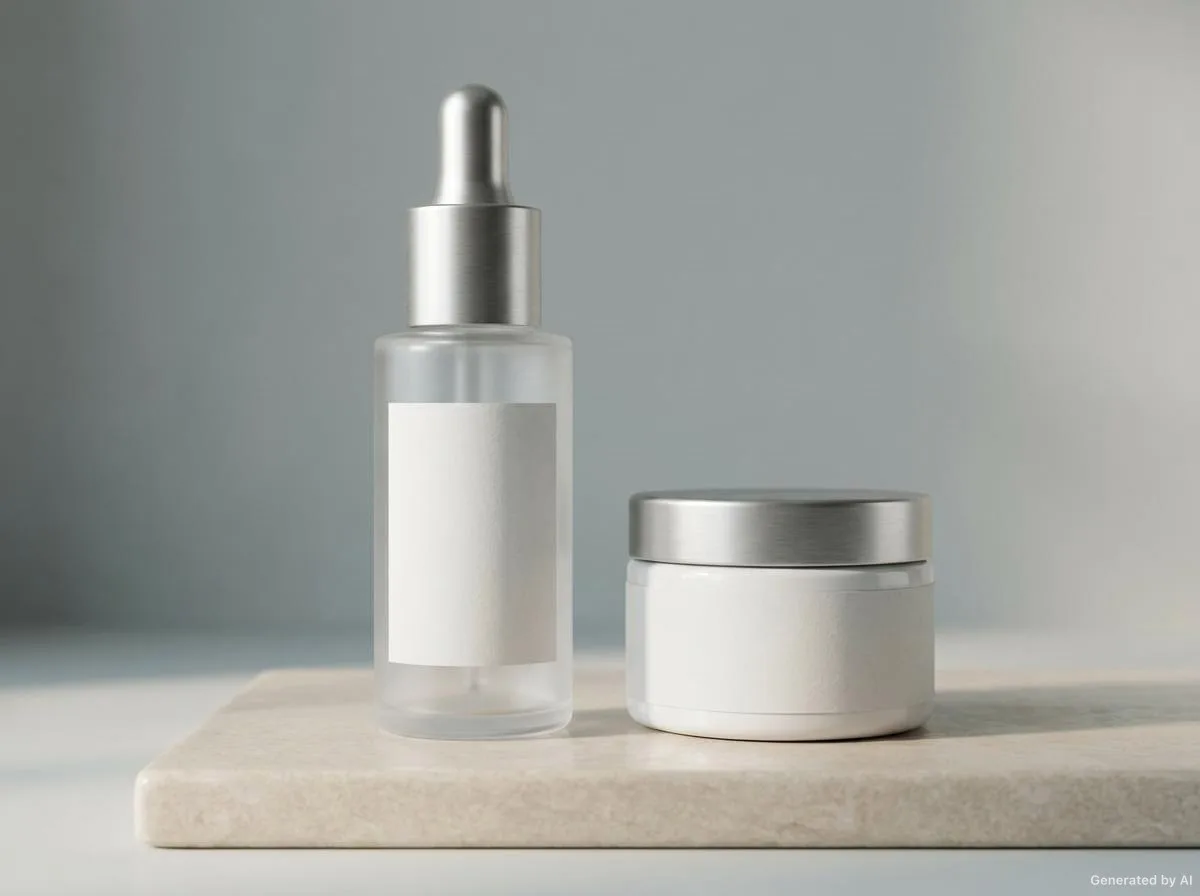
Labels suited to bottle and jar surfaces that strengthen brand perception.
Industrial Labels
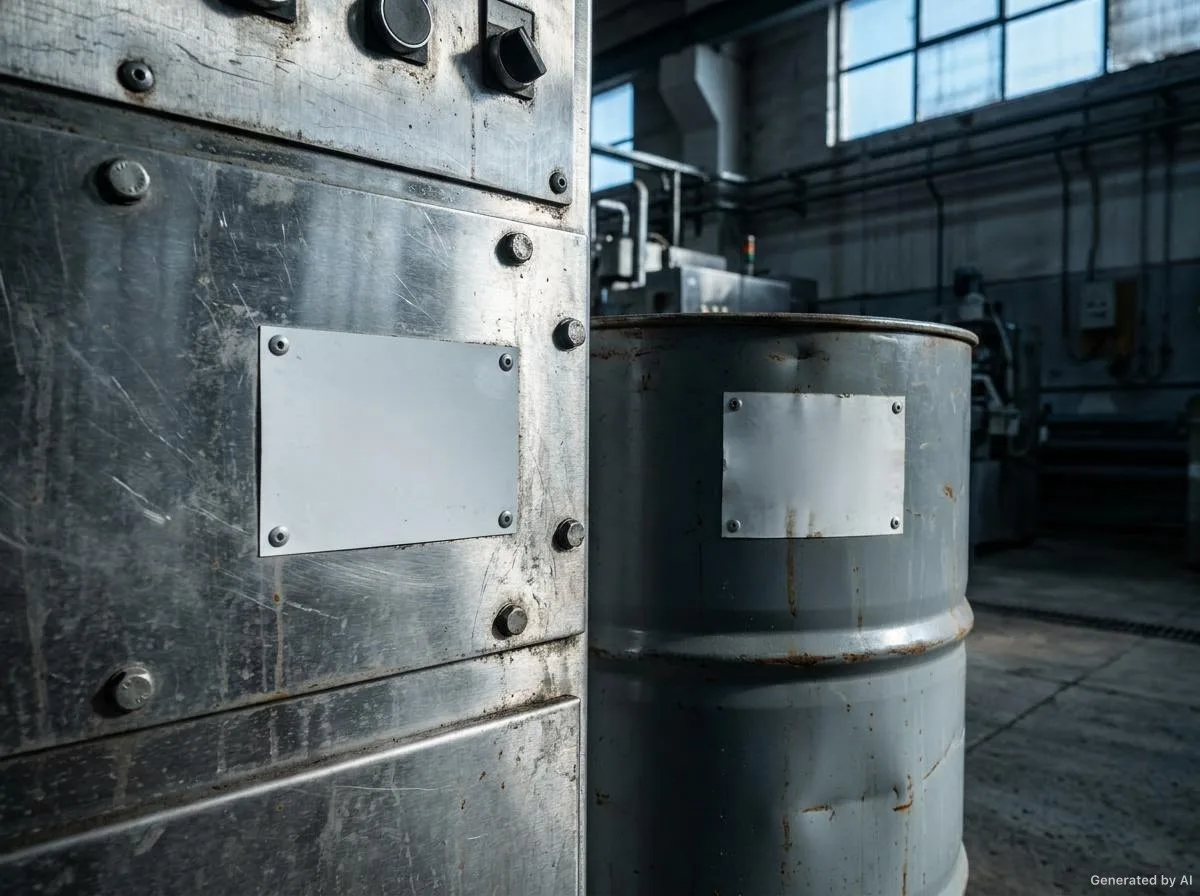
Labels resistant to temperature, moisture, abrasion and chemical contact.
Textile Labels
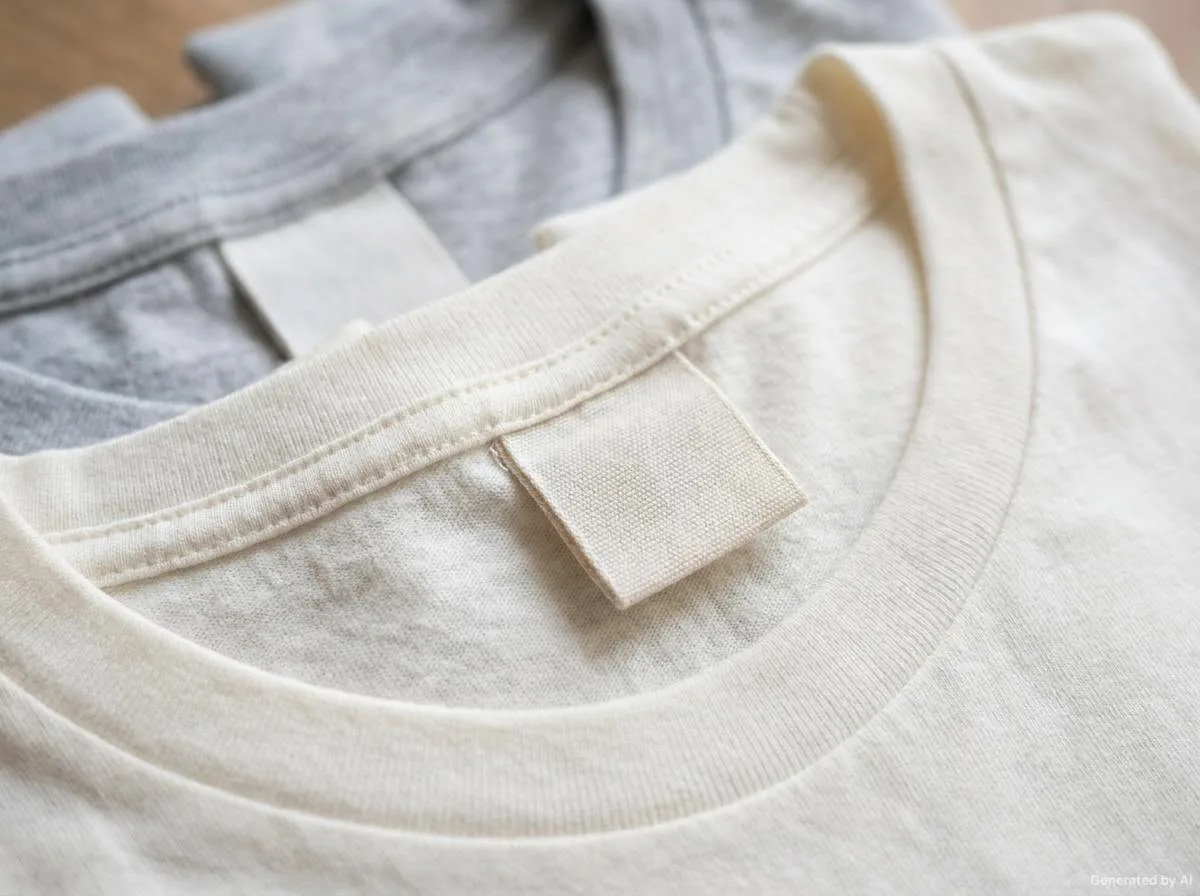
Self-adhesive labels used on textile and leather products.
Barcode Labels
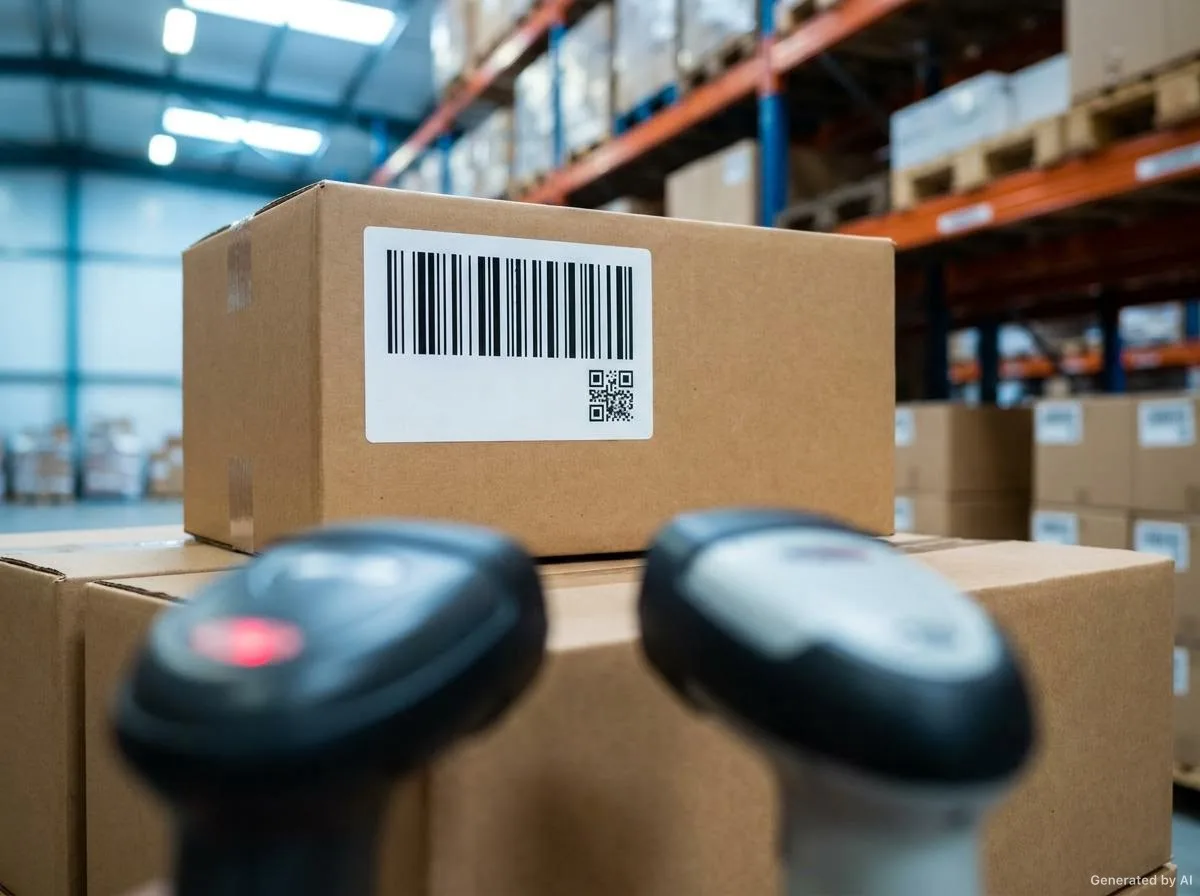
Barcode and variable-data labels planned for readability.
A practical guide to correct dimensions, bleed, safe area, wrap direction, curved surfaces and the sampling process in custom-size label projects.
Read the article
The essentials of preparing a label design file for print (prepress): vector vs bitmap, resolution, CMYK and spot colours, bleed, safe area, converting fonts to outlines and a delivery checklist.
Read the article
When requesting a label sample (proof), details such as size, quantity, surface, application method and print expectations must be accurate. This guide explains what to share and how the sample process works.
Read the articleShare the size, quantity, surface and usage conditions; we will carry out the technical evaluation and get back to you.
The images on this page are representative; they do not show a specific customer product or order.