Label Selection in Food Products: From Packaging to Shelf Appearance
Food packaging surfaces, moisture and temperature conditions, shelf appearance, legal information, sample scenarios by packaging type and a food label selection checklist.
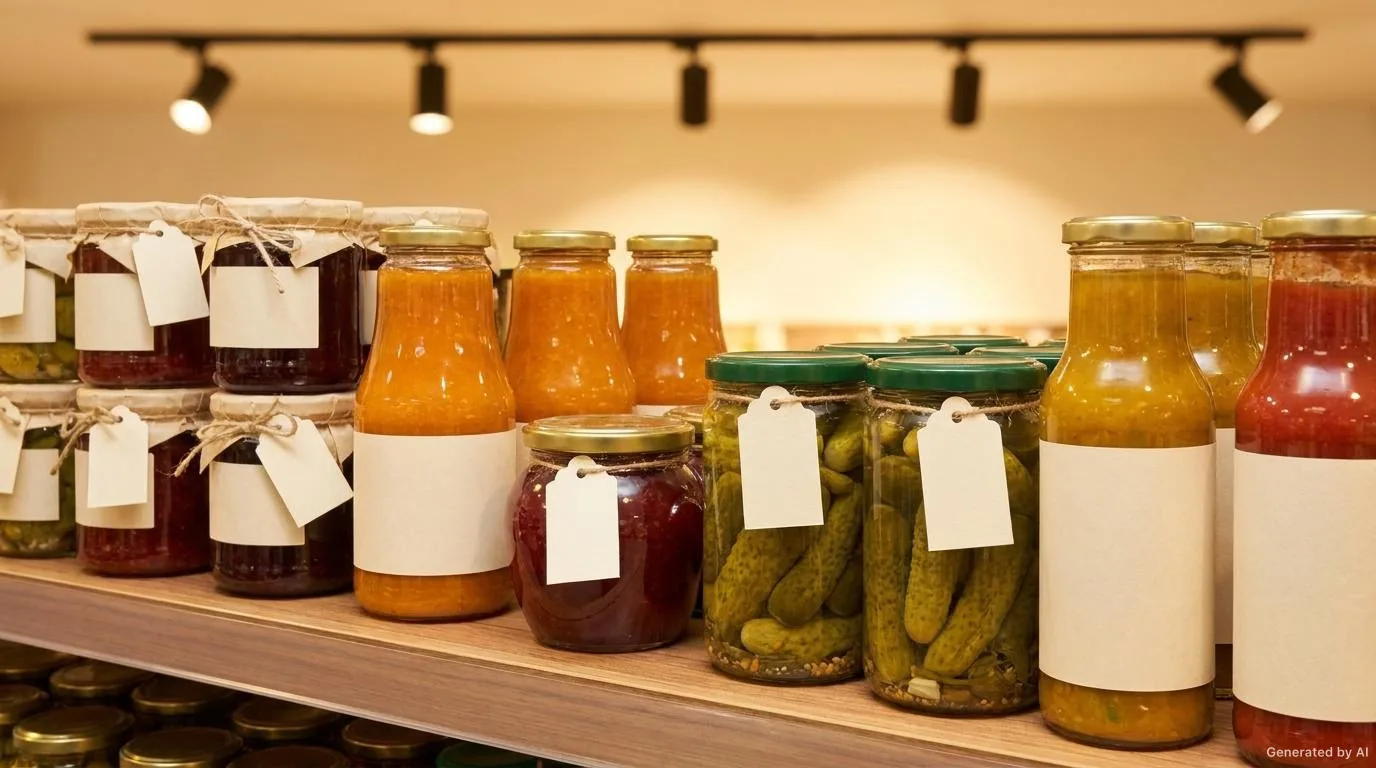
In food products, a label is not just a brand promotion tool; it is also a critical element for product safety, freshness and consumer information. An incorrectly selected label can affect the shelf life and brand reputation of a product through problems such as falling off, fading, moisture damage or illegibility. Label selection should therefore be approached holistically, from the packaging surface to the shelf appearance.
In this article we examine label selection for food products under the headings of packaging surface, storage conditions, shelf appearance and legal information, in a practical order.
Food Packaging Surfaces and Label Compatibility
Food packaging is produced from a wide range of materials and each surface requires a different adhesive and label material:
- Glass bottles and jars: High-energy surface, most adhesives stick easily. Transparent or white labels are preferred.
- PET bottles: Medium-high energy surface. Flexible film labels conform to the bottle curves.
- Cardboard and paper packaging: Medium energy surface. Coated paper labels are suitable and economical.
- Polyethylene (PE) and polypropylene (PP) packaging: Low energy surface. Special adhesives and BOPP/PP film labels are required.
Why Surface Energy Matters
Adhesion is directly related to the energy of the surface. On high-energy surfaces such as glass standard adhesives are often sufficient, while low-energy plastics such as PE and PP require special formulations. With the wrong adhesive the label may stick on the first day but drift or lift at the corners over time.
Textured and Rough Surfaces
On kraft paper, textured cardboard or cold surfaces the label cannot achieve full surface contact. In this case a thicker adhesive layer or softer formulations may be needed. For the print to look sharp on rough surfaces, material thickness and surface regularity should also be assessed.
Moisture and Temperature Conditions
Food products are exposed to different temperature and humidity conditions during production, storage, transport and sale:
- Dry foods (biscuits, pasta, nuts): Dry environment, a coated paper label is suitable.
- Refrigerated products (milk, yogurt, cheese): A high-humidity environment. BOPP film and a moisture-resistant adhesive are required.
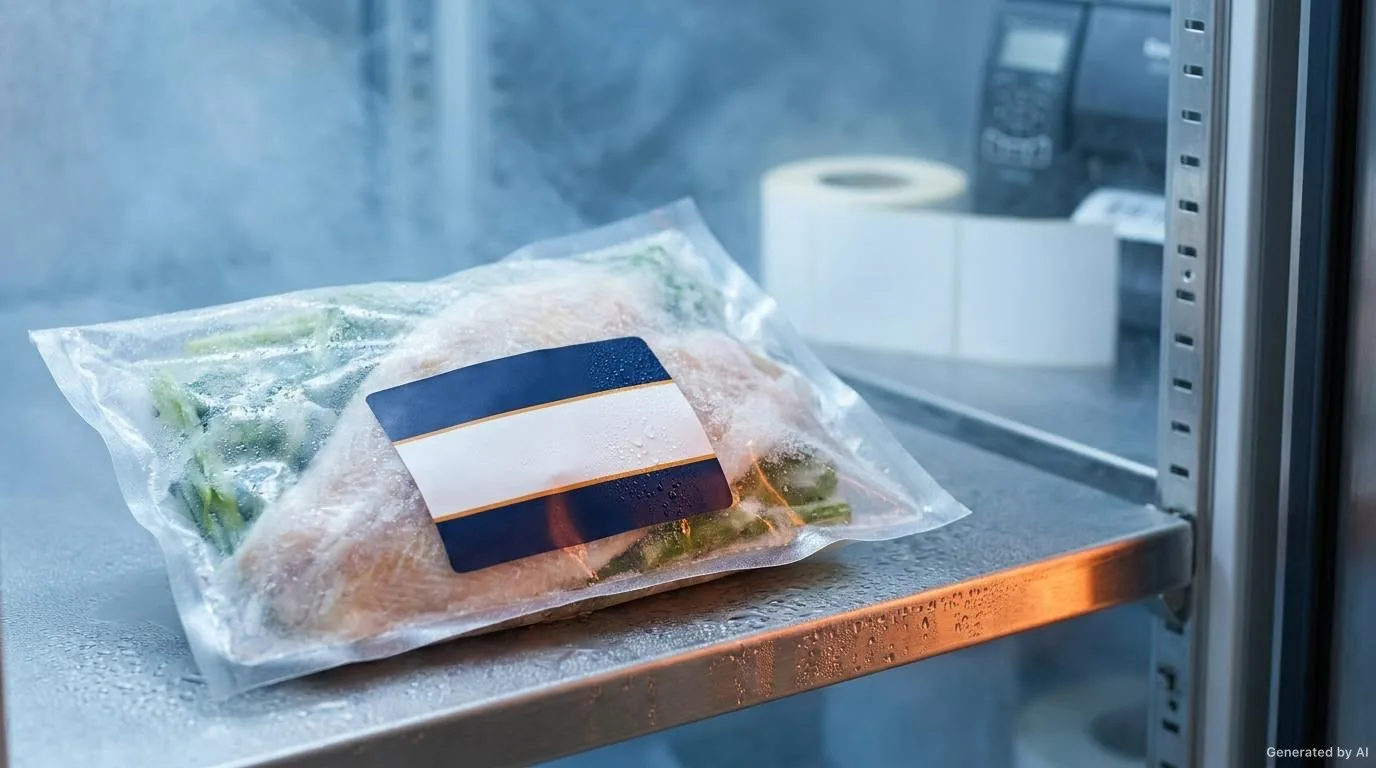
- Frozen products: Very low temperature and surface frost. Special adhesives that stick under freezing conditions and film labels should be preferred.
- Pasteurized or sterilized products: Exposure to heat and moisture. Heat-resistant material and adhesive are required.
Cold Chain and Condensation
The problem seen most often with refrigerated and frozen products is condensation on the surface. When a product taken from the refrigerator reaches room temperature, a thin layer of moisture can form on the surface. The label must therefore have an adhesive that can tolerate this moisture; otherwise it slips or bubbles.
Heat-Treated Products
For products that undergo heat treatment such as pasteurization or sterilization, the label is expected to resist high temperature and evaporation. In such products the application time and the surface temperature also affect adhesion success.
Shelf Appearance and Brand Perception
The shelf appearance of the label influences the consumer purchase decision. Points to consider:
- Colours are vivid and consistent.
- Readability of text (especially ingredients and expiry date).
- The label sits smoothly on the packaging surface (no wrinkles or bubbles).
- Brand positioning through matte, glossy or metallic finishes.
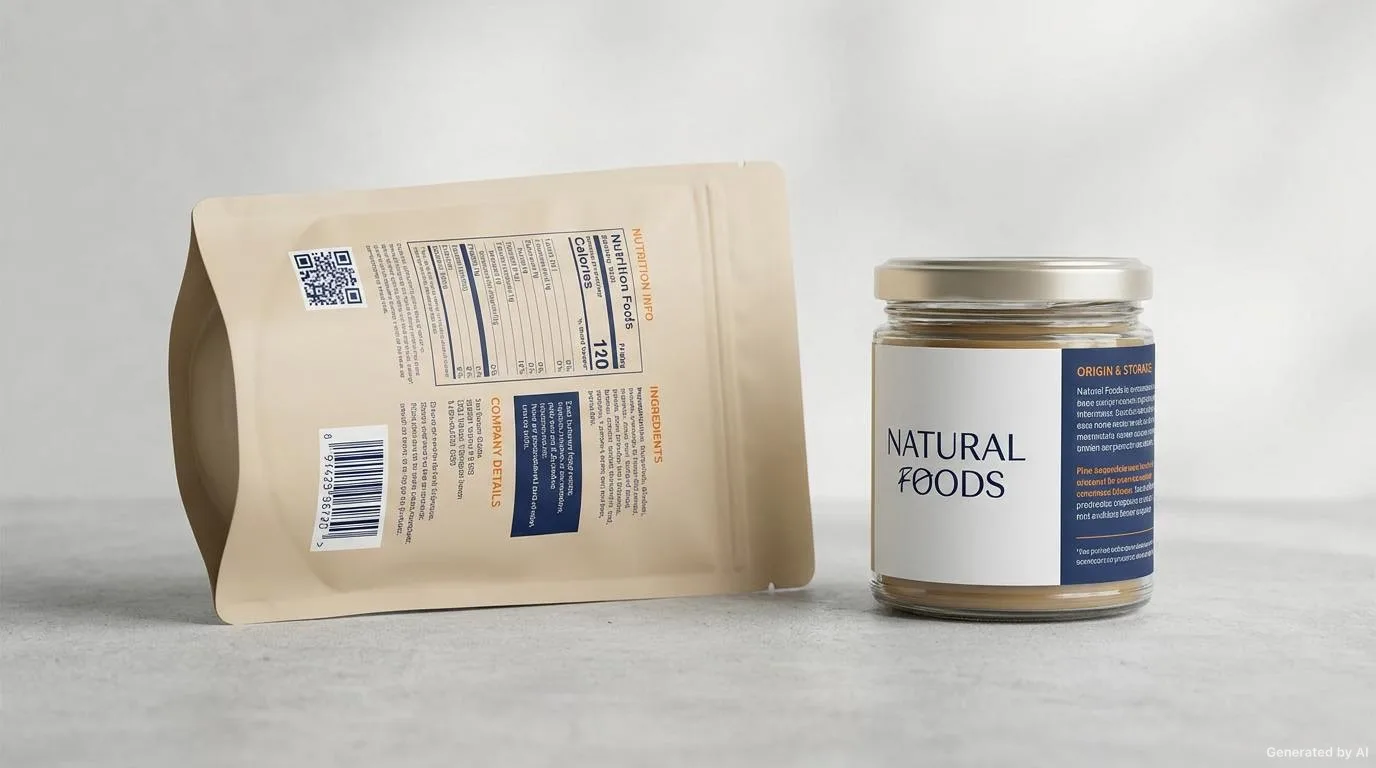
- Readability of barcodes and QR codes.
The Visual Effect of Label Material
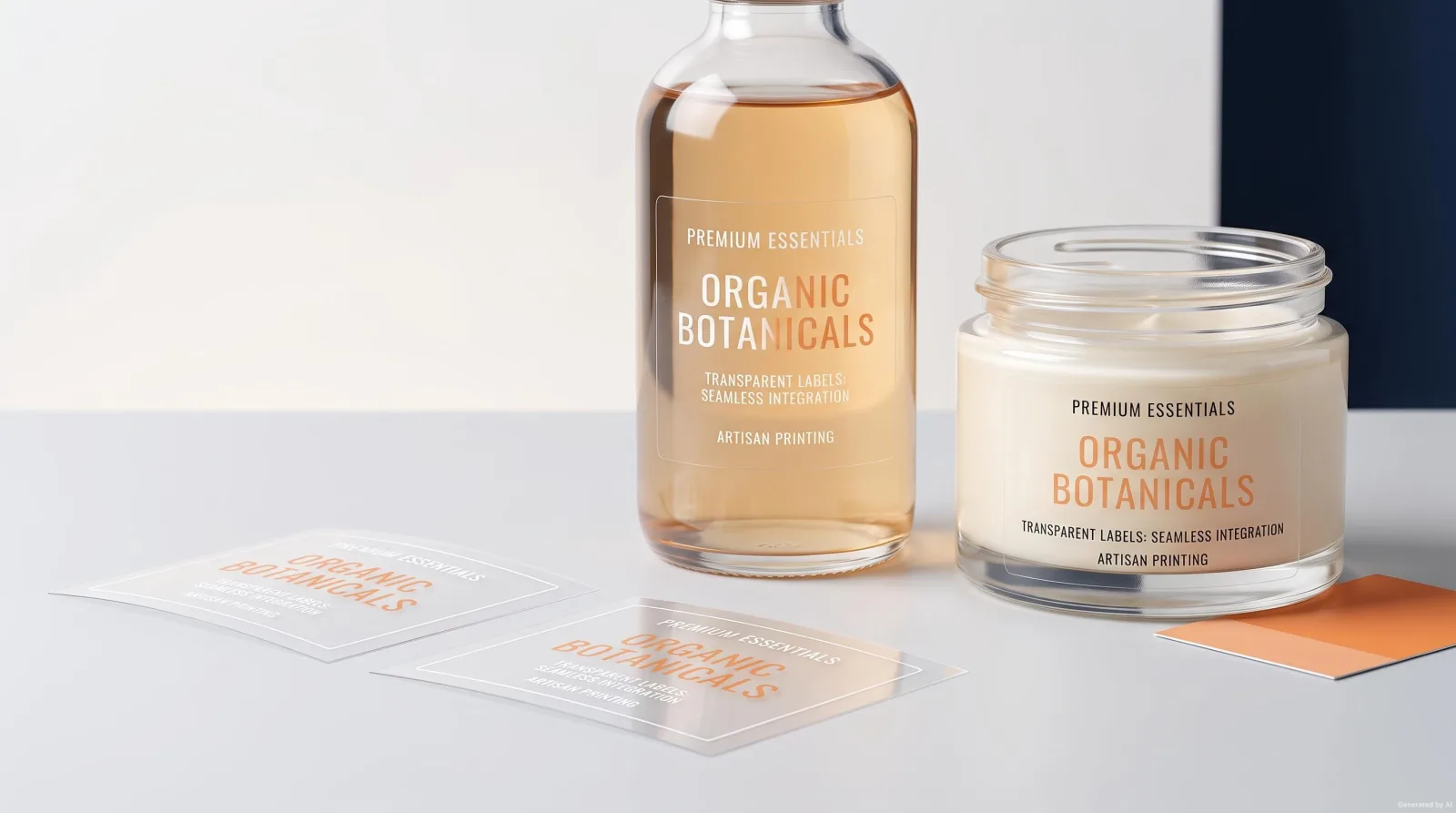
Transparent film labels bring the product itself forward, while white or metallic labels create a stronger brand block. The right choice should match the target audience and the positioning strategy on the shelf. For products aiming at a premium perception, the surface finish and print quality gain additional importance.
Balancing Barcode and Information Space
While trying to strengthen shelf appearance, overlooking the barcode and mandatory information fields is common. These areas should be planned and protected before aesthetic adjustments.
Legal Compliance and Information Requirements
The information required on food labels varies according to the relevant legislation and product category. It is important to seek support from competent authorities and consultants regarding the compliance of product information and label content. Text and visuals should be verified for legal compliance before printing. Rather than making definitive claims, it is advisable to review the current legislation and the requirements specific to your product category.
Planning the Information Fields
Areas such as mandatory information, ingredient lists, allergen warnings and storage conditions should be placed early in the design. If added later they can upset the visual balance and reduce readability.
Label Changes and Awareness
Legal requirements may be updated over time. Label templates should therefore be kept in a structure that is editable and open to updates. Keeping the information fields flexible makes future corrections easier.
Application and Labelling Process
Manual and Automatic Application
Whether the label is applied by hand or on an automatic line affects the choice of material and adhesive. On automatic lines the adhesive is expected to grab quickly and the label must not jam the line. With manual application a need to reposition may arise; in that case repositionable adhesives can be considered.
Application Temperature and Surface Moisture
The surface temperature and moisture at the moment of application determine how permanent the adhesion is. A label applied to a cold or damp surface can shift quickly. The application conditions should therefore be planned together with the chosen adhesive.
Sample Scenarios by Packaging Type
The table below summarises how the choice of material and adhesive takes shape for common food packaging types.
| Product Group | Typical Packaging | Recommended Label Material | Key Requirement |
|---|---|---|---|
| Dry food | Cardboard, paper | Coated paper | Economical printing and clear readability |
| Dairy products | PET bottle, tub | BOPP film | Moisture resistance and smooth fit |
| Frozen products | PE bag, cardboard | Film with special adhesive | Adhesion under freezing conditions |
| Sauces and beverages | Glass bottle, PET | BOPP or PET film | Resistance to condensation and friction |
| Heat-treated products | Glass jar | Heat-resistant film | Resistance to high temperature |
Common Mistakes in Food Labels
- Choosing a material without determining the packaging surface type.
- Using a standard adhesive for a damp or cold surface.
- Neglecting the barcode and mandatory information fields in favour of shelf appearance.
- Going to series production without testing print quality on a sample.
- Leaving legal information fields to the end of the design.
- Not taking application conditions (temperature, moisture) into account in label selection.
For a broader view of surface and packaging compatibility, see the guide to choosing the right label for your product; for harsh conditions, see water, moisture and outdoor resistant labels.
Food Label Selection Checklist
- Packaging surface type determined (glass, PET, cardboard, PE/PP).
- Storage conditions (dry, refrigerated, frozen) defined.
- Label material suitable for the surface and conditions.
- Adhesive resistant to moisture and temperature conditions.
- Print quality and colour consistency tested.
- Text and barcode readability verified.
- Mandatory information fields planned.
- Legal information requirements confirmed with the relevant authority.
- Shelf appearance and brand consistency evaluated.
- Application test (labelling line) performed.
Conclusion
Label selection in food products is critical for product safety and consumer satisfaction. Packaging surface, storage conditions, shelf appearance and legal requirements should be evaluated together. Remember that legal compliance on food labels must be confirmed with the relevant legislation and competent authorities. Pre-production sample testing is the most reliable way to prevent potential issues.
If you share information about your product packaging and storage conditions, we can assess suitable material and adhesive options together. To discuss label solutions suited to food packaging, reach us through our our label solutions page.
Frequently Asked Questions
Why is surface energy important in a food label?
Adhesion is related to the energy of the surface. On high-energy surfaces such as glass standard adhesives are often sufficient, while low-energy plastics such as PE and PP require special formulations.
What is the most common label problem in cold chain products?
The most common problem is condensation on the surface. The thin layer of moisture that forms when a product reaches room temperature can make the label slip or bubble. An adhesive that tolerates moisture should therefore be chosen.
How do you balance shelf appearance with mandatory information fields?
Mandatory information, ingredient and warning areas should be placed early in the design. If added later they upset the visual balance and reduce readability. Aesthetic adjustments should preserve these areas.
How should legal information be handled on a food label?
The required information varies by legislation and product category. It is important for the producer to review current legislation and seek support from competent authorities and consultants. Label templates should stay open to updates.
Want to Determine the Right Label for Your Product?
Share your usage area and needs with us; let's evaluate suitable options together.