Thermal Transfer and Direct Thermal Printing: Which One and When
A comparison of direct thermal and thermal transfer printing by working principle, durability, consumable cost and application areas.
In label production, the choice of printing technology is one of the fundamental decisions that directly affects label life, barcode readability and total cost of ownership. The two most widely used methods are direct thermal printing and thermal transfer printing. Both use heat to create the printed image, but the way the image becomes permanent on paper or film differs considerably.
In this article we examine in detail how the two technologies work, which materials they require, how they behave against external factors such as abrasion, heat and light, and which is more suitable for which application. Our goal is to provide a clear framework so you can evaluate the best method for your own operation on technical grounds.
An overview of printing methods
Thermal printing systems rely on the interaction between a heat generating printhead and a heat sensitive medium. In the direct thermal method the image forms directly on the label material itself; in the thermal transfer method the image is transferred onto the material with the help of a ribbon that is melted by the heat of the printhead.
This basic distinction shapes the materials the two methods can use, the achievable print quality, durability and consumable cost. If you would like to view the thermal label family from a broader perspective, our article on thermal label or coated label is a good complement.
How direct thermal printing works
In direct thermal printing the printhead touches directly the surface of a label that has a heat sensitive coating. At the points the head heats, the coating reacts chemically and a dark image appears. Because no ribbon is used, the system needs only a single consumable, that is, thermal paper.
The structure of heat sensitive paper
Thermal paper consists of a base paper layer and a heat sensitive coating. The components in the coating change colour when they exceed a certain temperature threshold. For this reason the clarity of the printed image depends on the temperature control of the head and the quality of the paper used.
Strengths and limitations
The most obvious advantage of direct thermal printing is low operating cost and simple use, thanks to the fact that it requires no ribbon. Printers are generally light and compact. However, the image produced is sensitive over time to abrasion, heat, moisture and direct sunlight. Therefore it may not be sufficient on its own for labels that must be stored for a long time or used under harsh conditions.
How thermal transfer printing works
In thermal transfer printing the printhead touches a ribbon rather than the label directly. The head heats and melts the ink layer on the ribbon and transfers the ink onto the label surface. In this way the image can be applied onto paper, synthetic film or different materials depending on the ribbon composition.
Types of ribbon
Ribbons are classified according to the type of resin used. Wax based ribbons are low cost and give adequate results on plain paper surfaces. Resin based ribbons provide high abrasion and scratch resistance on synthetic materials and under harsh conditions. Wax-resin blend ribbons offer a balanced option between the two extremes.
Resolution and print quality
With high resolution printheads, thermal transfer can provide consistent clarity for fine lines, small characters and dense barcodes. Transferring the image through the ribbon has a positive effect on edge sharpness and contrast, which increases readability.
Comparing the two methods
The table below summarises the main characteristics of the two methods. Exact values may vary depending on the material, ribbon and environmental conditions.
| Criterion | Direct thermal | Thermal transfer |
|---|---|---|
| Consumable | Thermal label only | Thermal label and ribbon |
| Image formation | Heat sensitive coating | Molten ink transfer |
| Abrasion resistance | Relatively low | High |
| Resistance to heat and light | Limited | High |
| Print clarity | Usually adequate | High and consistent |
| Operating cost | Low | Higher due to ribbon |
| Suitable use | Short life barcode, shipping, receipts | Permanent label, product and shelf label |
Durability and permanence: abrasion, heat and light
The most important factors determining label life are the physical and environmental conditions the printed image meets. Abrasion is unavoidable in logistics and storage processes where surfaces come into contact with one another. In direct thermal printing the image forms within the coating, so fading or scratching may appear under heavy abrasion. In thermal transfer printing the ink forms a separate layer on the surface, so with a suitable ribbon it behaves more resistant to abrasion.
Heat and direct sunlight also affect the image. Direct thermal papers are more prone to darkening and loss of contrast at high temperatures or under prolonged light. Therefore for labels to be stored in hot environments or kept outdoors, material and printing method should be evaluated together. Humid environments can affect both the paper structure and the adhesive behaviour.
Application areas: barcode, shelf label and shipping
In shipping and logistics processes labels are usually short lived; they are read during transport and finish their task once the process is complete. In such applications direct thermal printing is frequently preferred thanks to its low cost and speed. In contrast, thermal transfer printing offers a more permanent solution for product labels, shelf labels and barcodes that must remain readable for a long time.
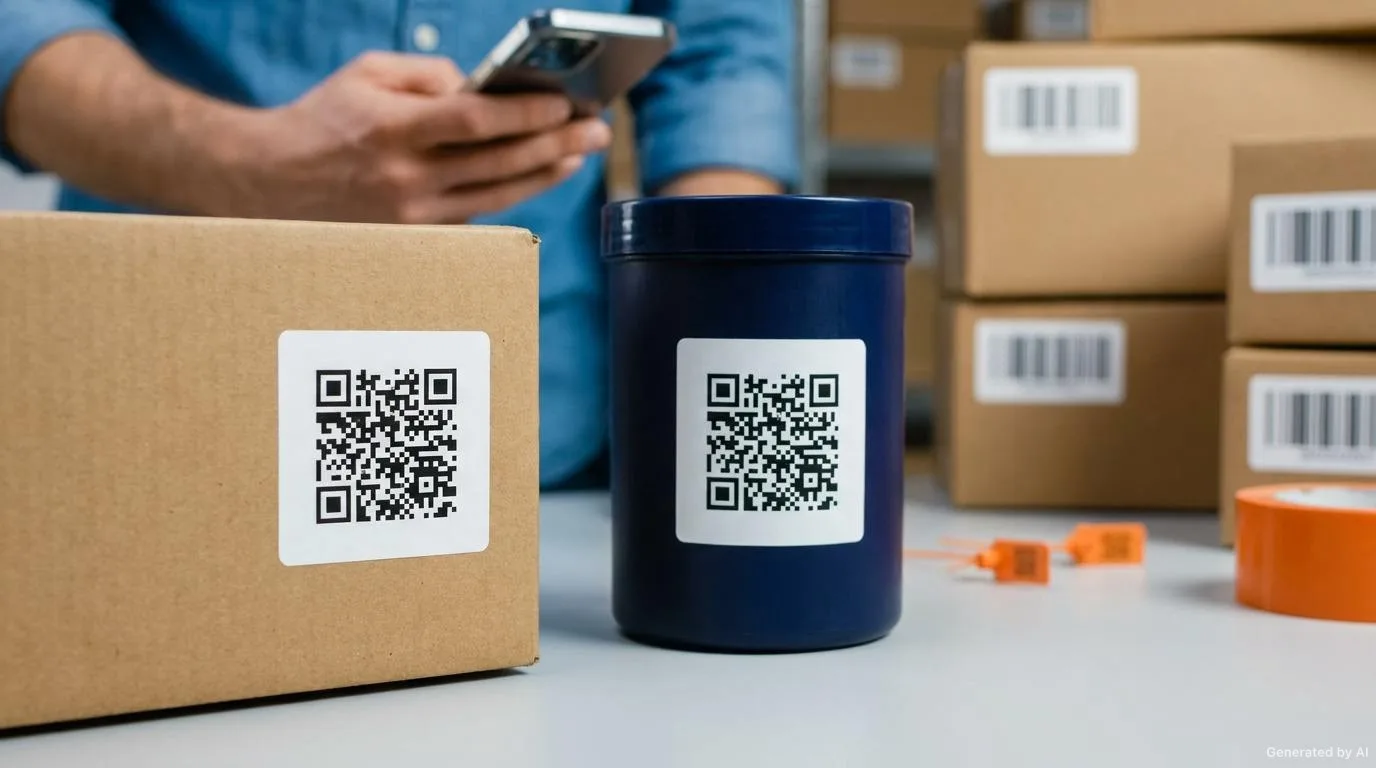
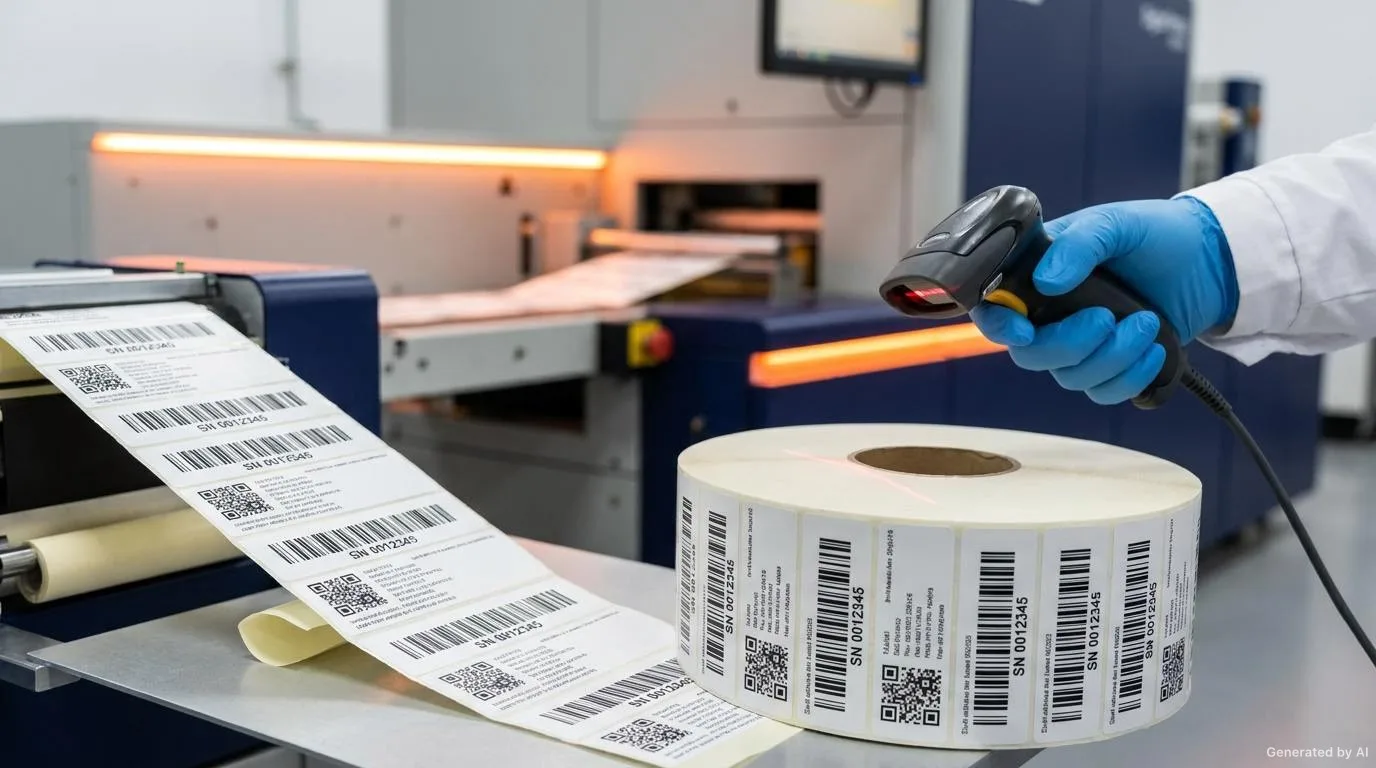
Because readability is critical for barcode labels, the surface, adhesive and environmental conditions should be evaluated together with the printing method. Our article on barcode labels, correct printing and readability provides more detailed information on this subject.
Printer hardware and maintenance requirements
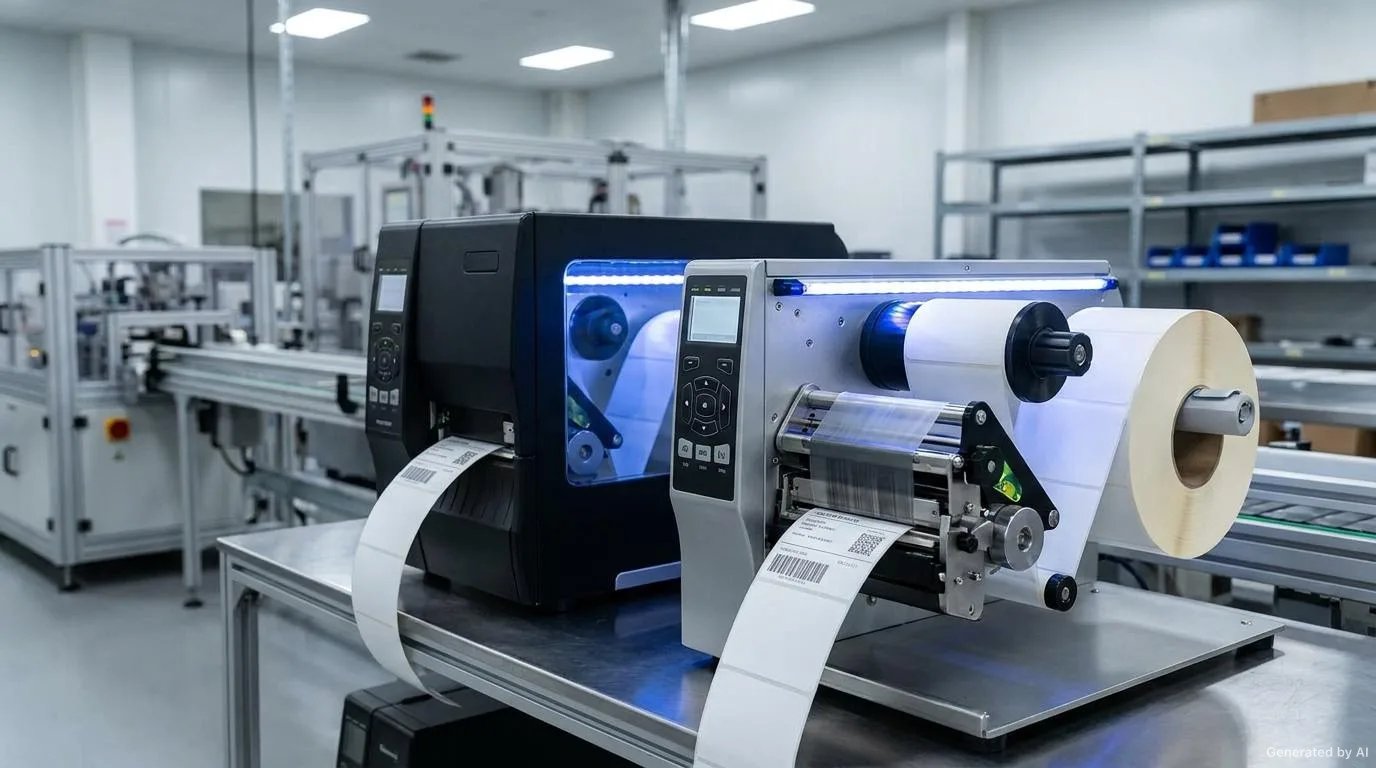
Both methods use a thermal printhead and printhead maintenance is a common requirement. Cleaning the head regularly preserves print quality by preventing the build-up of paper dust and adhesive residue. In thermal transfer printers, in addition, ribbon tension and the match between ribbon and label width should be checked.
When choosing a printer, criteria such as print speed, resolution, label width and daily print volume should be considered. Direct thermal printers generally have a simpler structure; thermal transfer printers, with ribbon management and dual mode support, are more flexible but require more careful use in terms of maintenance.
Consumables and total cost
In a consumable cost comparison, looking only at the label price can be misleading. In direct thermal use there is no ribbon cost, but if the print fades early the label may need to be reprinted. In thermal transfer use the ribbon forms an additional cost; on the other hand, when the label life is longer the need for reprinting may decrease.
Therefore total cost should be calculated by evaluating elements such as price per label, reprint rate and labour together. To get an idea about our label solutions, you can visit our our label solutions page.
Which one should be chosen and when
For short life, fast and high volume applications, direct thermal printing is a practical option. Where the product will stay on the shelf for a long time or be exposed to abrasion, heat or moisture, thermal transfer printing is usually more suitable. When deciding, the expected label life, storage conditions and readability requirement should be taken as the basis.
Some businesses prefer dual mode devices that support both methods in a single printer. This approach provides flexibility for different product groups, but the expected result may not be achieved when the correct ribbon and material match is not made.
A practical checklist
- Determine the expected life and storage conditions of the label.
- Evaluate environmental factors such as abrasion, heat, moisture and light.
- Test whether the barcode will remain clear for as long as it must be read.
- Consider the type of surface to be used and the adhesive compatibility.
- Calculate the consumable and reprint cost together.
- Run a trial under real conditions with a sample print.
Conclusion
Direct thermal and thermal transfer printing are not so much alternatives to each other as two approaches that answer different needs. The right choice is made according to the life of the application, the environmental conditions and the readability expectation. If you would like to clarify which method is more suitable for your own products and processes, you can share your requirements and request a technical assessment and sample support from us.
Frequently Asked Questions
What is the main difference between direct thermal and thermal transfer printing?
In direct thermal printing the image forms directly on a heat sensitive coated label surface and no ribbon is used. In thermal transfer printing the printhead heats a ribbon and molten ink is transferred onto the label.
When should thermal transfer printing be preferred?
When the printed image must stay readable for a long time or be exposed to abrasion, heat, moisture or outdoor conditions, thermal transfer printing is usually the more suitable option.
How long do direct thermal labels stay readable?
This depends on the quality of the thermal paper and the abrasion, heat, moisture and light conditions the label meets. No fixed duration can be guaranteed, and in harsh conditions the print may fade early.
Which ribbon type should be chosen for thermal transfer printing?
Wax based ribbons can be considered for plain paper surfaces, resin based ribbons for synthetic materials and harsh conditions, and wax-resin blends for balanced requirements.
Why is direct thermal printing more economical in some applications?
Because it does not require a ribbon, the consumable consists of a single item and the process is simpler. This can lower operating cost in short life and high volume applications.
Want to Determine the Right Label for Your Product?
Share your usage area and needs with us; let's evaluate suitable options together.